Freiburg Hub Update: Exploring Cooperative Models in Food Processing
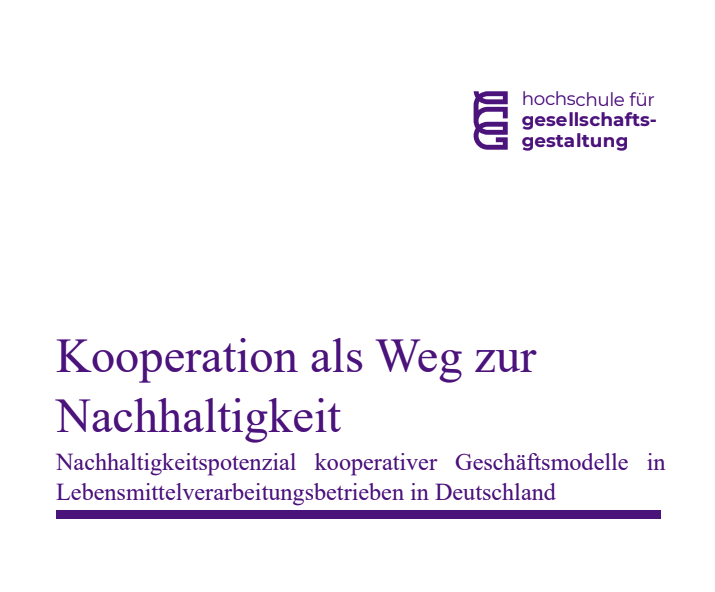
The study, titled “Cooperation as a Path to Sustainability: The Sustainability Potential of Cooperative Business Models in Food Processing Firms in Germany” (Kooperation als Weg zur Nachhaltigkeit: Nachhaltigkeitspotenzial kooperativer Geschäftsmodelle in Lebensmittelverarbeitungsbetrieben in Deutschland), analyzed how consumer cooperative business models are implemented and their impact the performance of food processors (bakeries, wineries, beverage manufacturers, etc.)
By studying four cooperative food processors, the research found that a high level of member involvement leads to stronger social bonds and better financial security through solidarity-based funding. While all the plants studied had high environmental standards, the cooperative ones stood out for their social stability and ability to weather economic storms. This work highlights how cooperative models can make the food processing sector more resilient and socially fair.