The second BioRegio Karlsruhe
Networking, products, logistics – and a long table at the end
On November 24, 2025, the second BioRegio Karlsruhe took place at the TOLLHAUS Karlsruhe cultural center—as an organic meeting place and B2B forum for the greater Karlsruhe area. Following last year's strong start, the 2025 event picked up right where it left off: producers met with retailers, restaurateurs, and caterers to forge concrete collaborations.
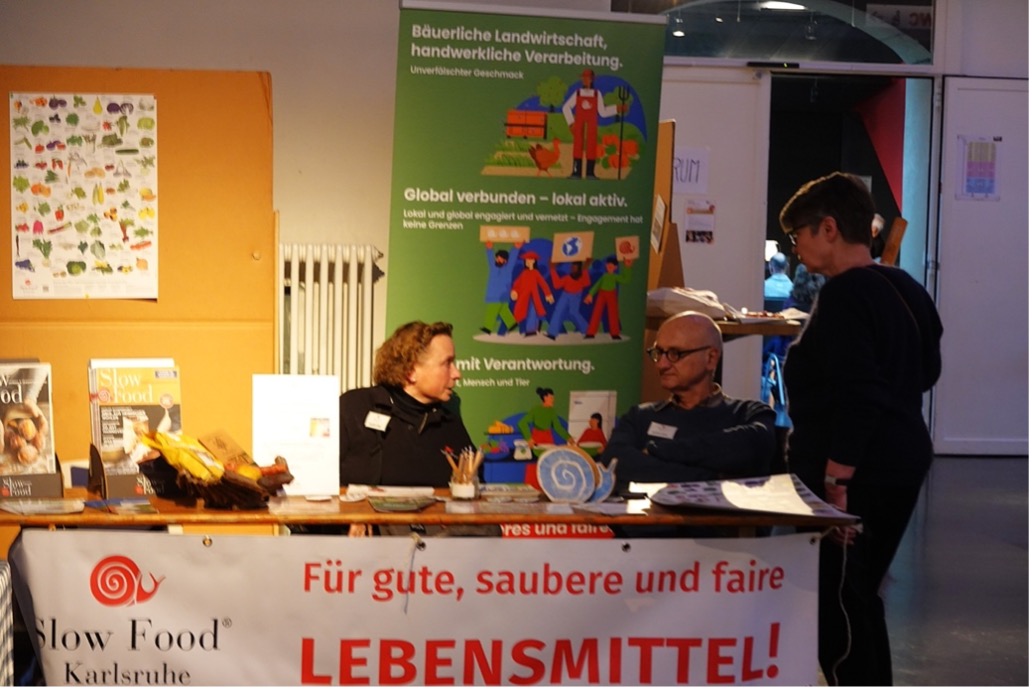
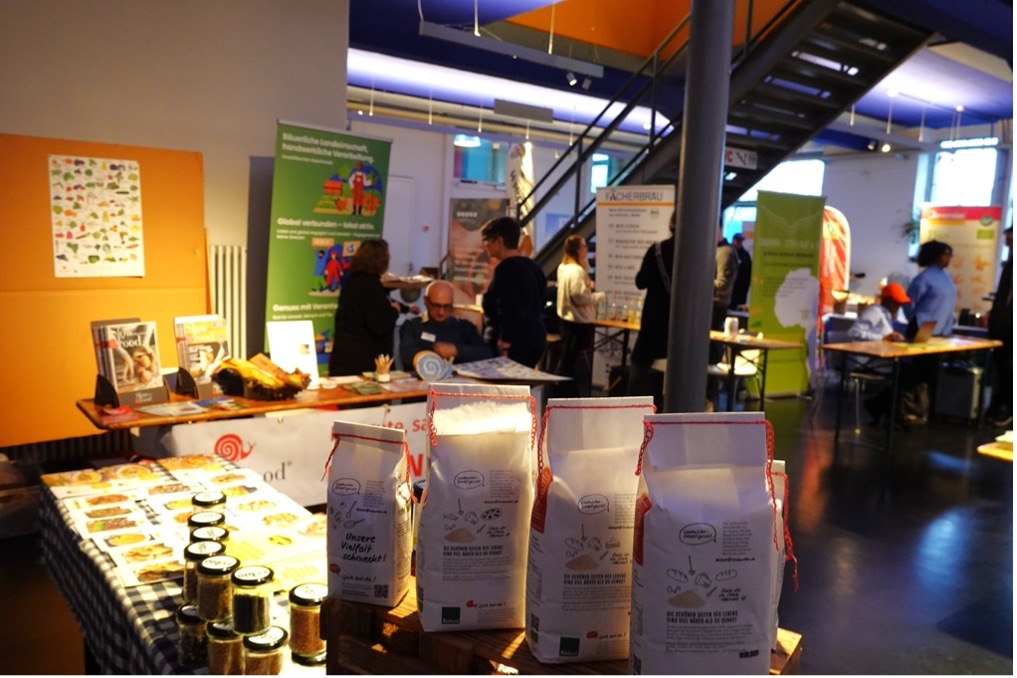
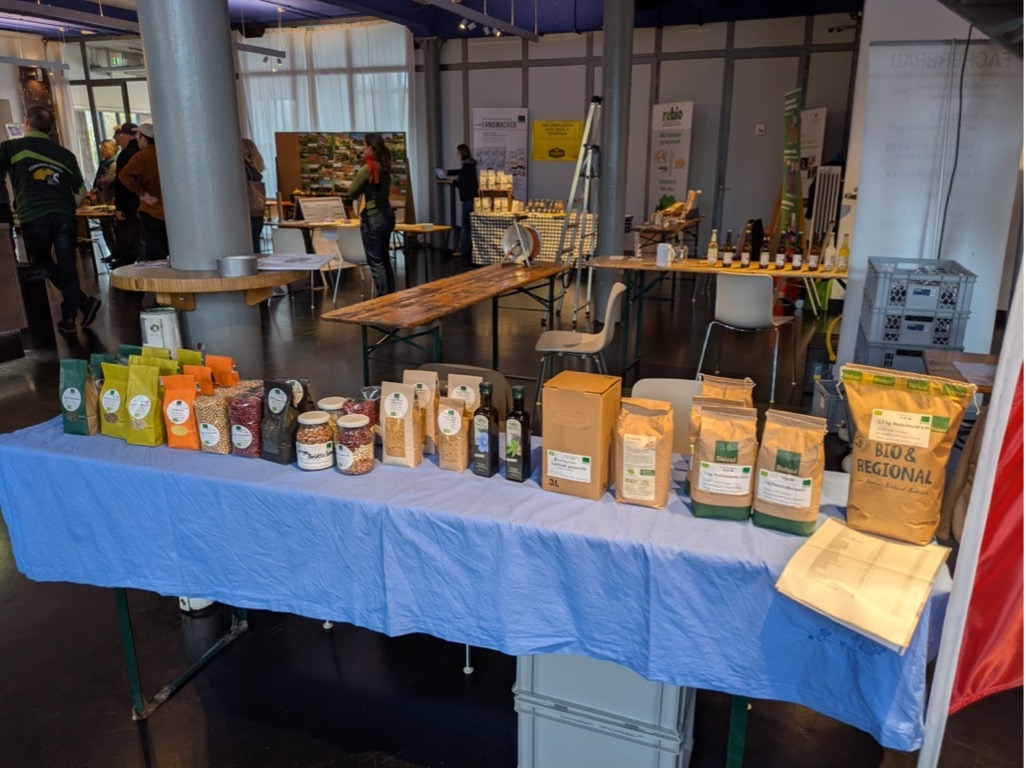
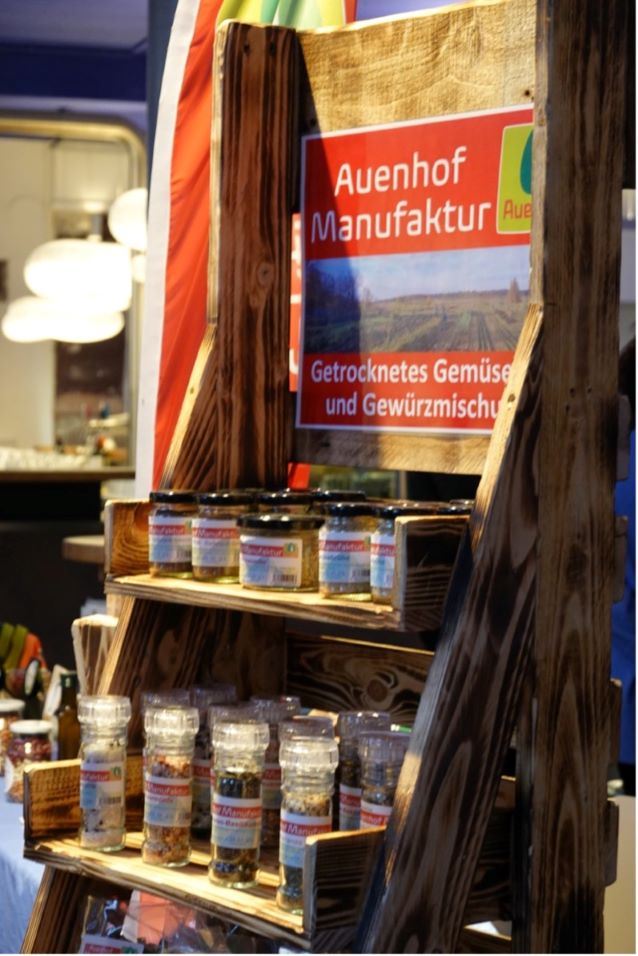
Showcase of regional food diversity
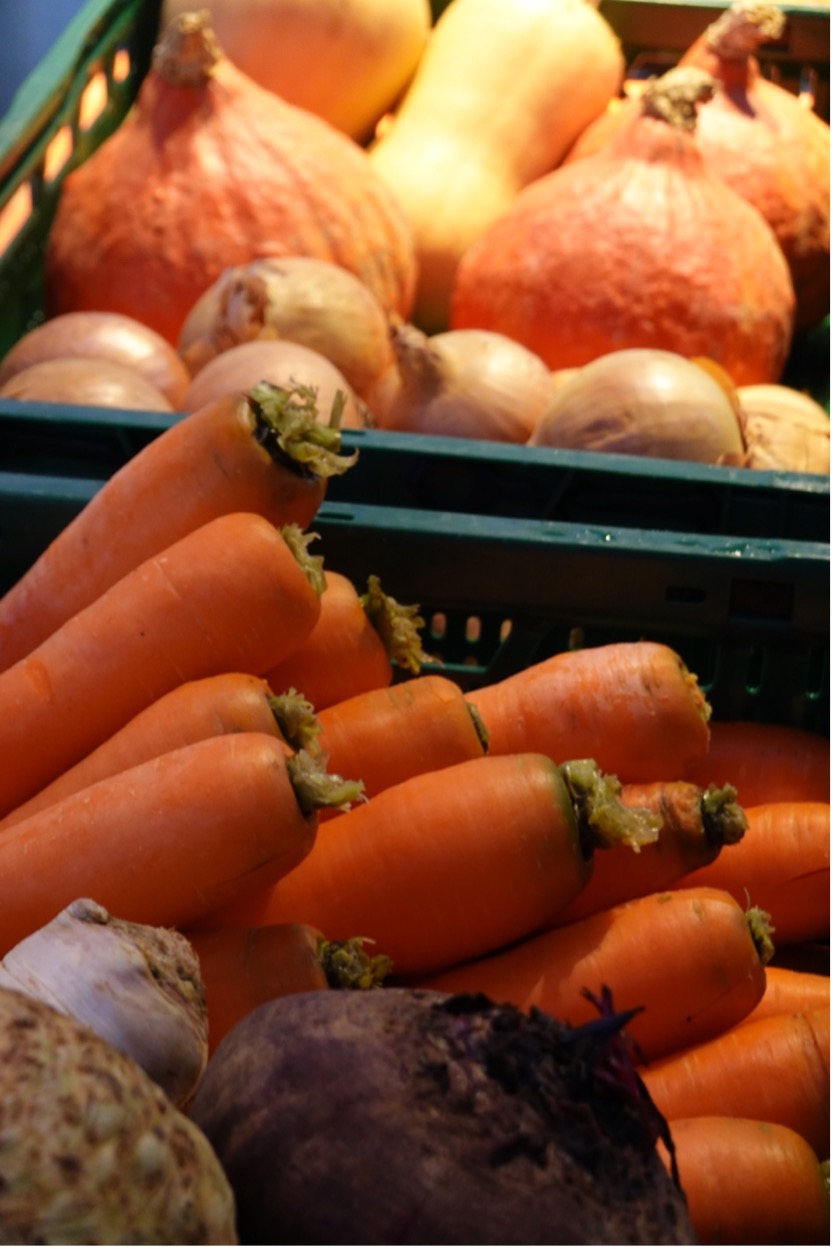
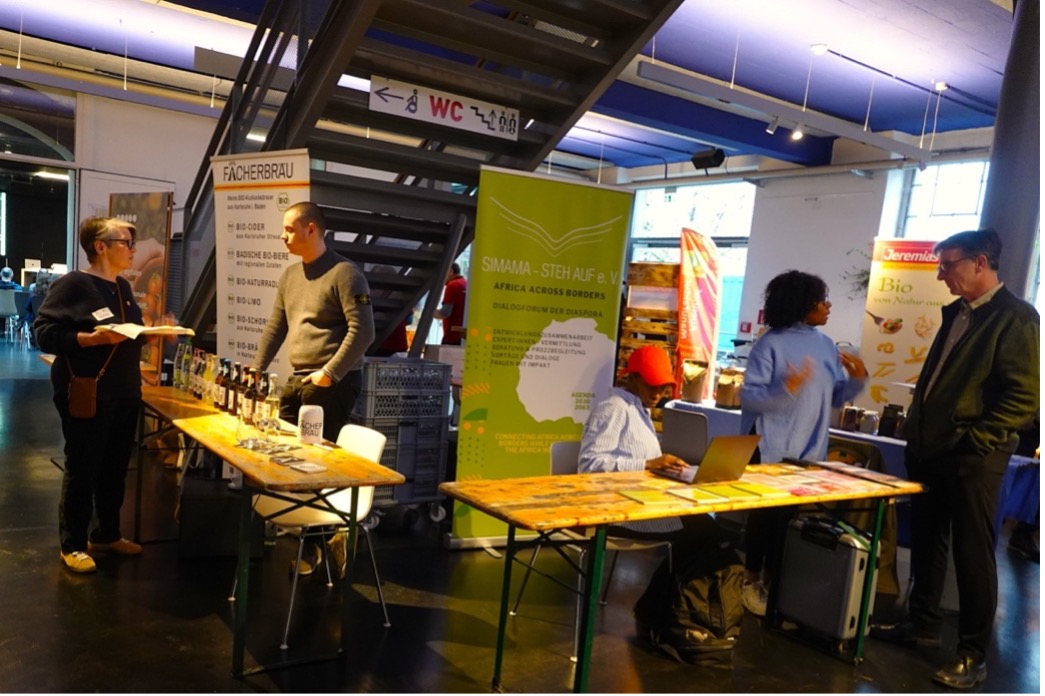
The “Showcase of regional food diversity” once again featured companies that demonstrate how broad the bioregional range already is here locally – and how much potential there still is. Among those taking part were Fächerbräu, the Jeremias pasta factory, Ludwig Schenk (Karlsruhe wholesale market; ready-to-cook fruit and vegetable products), the Bioland farms Petrik (vegetables) and Sonnenhaldenhof (legumes/cereals), as well as Andrea Kruse-Bitour (pumpkin flour manufacturer), Abeentoo (tempeh), Fairfleisch (organic meat/grass-fed beef) and Auenhof (dried products).
This part of the fair in particular highlighted what emerged as a common theme in many conversations: there is no substitute for face-to-face contact. If you want to make value chains more regional and stable, you need places where people can really meet – with products, people, and practical examples.
Three years of KA.WERT – and noticeably more support
The welcome speech made it clear: KA.WERT has now been running for three years, the network is growing, and a lot has happened since the first BioRegio. This was also reflected in the content: the focus was not only on visions, but also on functional structures and concrete relationships along the chains – from the field to processing and logistics to the kitchen.
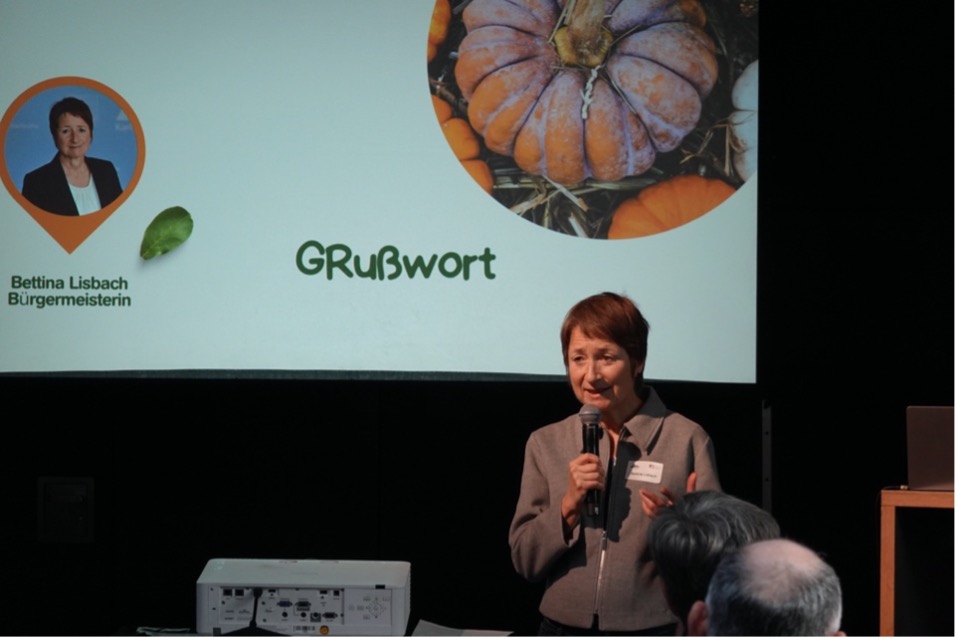
A welcome address by Mayor Bettina Lisbach underscored the public interest and commitment that already exists in Karlsruhe – combined with a clear message: network, move forward, stay on track. Or as Bettina Lisbach put it: “Every bit of progress counts.”
“We are on the right track”: examples that are already working
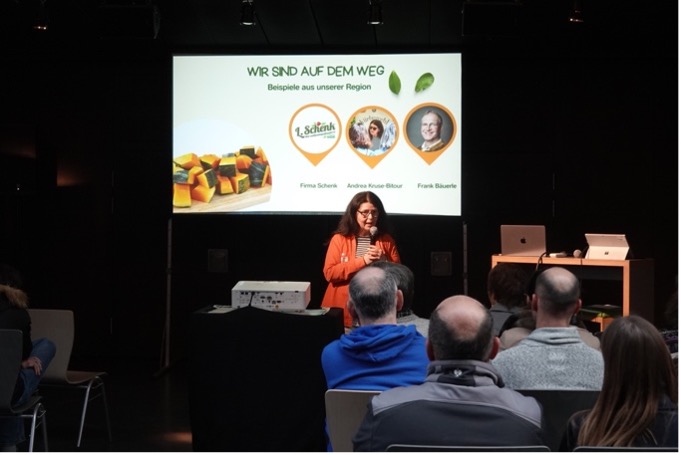
This became particularly clear in the practical examples: they focused on cooperation that is already a reality today – for example, where ready-to-cook organic vegetables and legumes end up in communal catering, or where food losses can be reduced by changing purchasing conditions.
Several points stood out:
- Use instead of waste: One highlight was the idea of taking surplus pumpkins seriously as a raw material – including very concrete figures from practice (e.g., pumpkin to flour ratio and recipe development suitable for everyday use).
- Purchase & planning security: Production “after secured purchase” was described as crucial – and at the same time, the risks were identified when harvesting/processing becomes difficult and goods remain unsold.
- Appreciation in the chain: Price and quality issues were not discussed abstractly, but were directly accepted as a negotiation process, which is what makes cooperation viable in the first place.
Workshop for the brave and school catering: change needs space
It was also exciting to take a look at initiatives that bring together administration, politics, and practice. It became clear that value-oriented nutrition education and practical formats (e.g., mobile, low-threshold, child-friendly) remain key if we want to strengthen demand and awareness in the long term.
Logistics: Implementing together – with nearbuy as a tool
One of the central topics was once again logistics: How can regional organic products be reliably delivered to where they are needed – without each company having to solve the entire transport issue on its own?
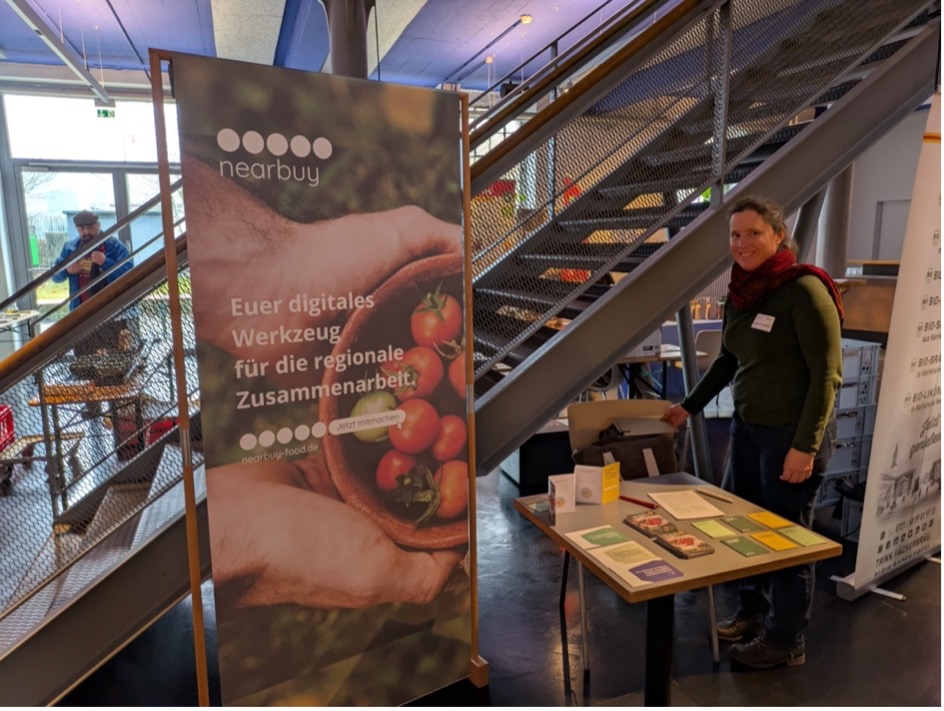
nearbuy was presented here as a digital tool that supports buyers and producers and enables transport cooperations – even without a physical transshipment point. At the same time, the real hurdles were identified: interpersonal uncertainties, legal issues, responsibilities. The fact that checklists and an information hub along the value chain are now being developed shows that the region is not only working on “more organic,” but also on greater system capability.
Scientific perspective: Making supply chains more sustainable
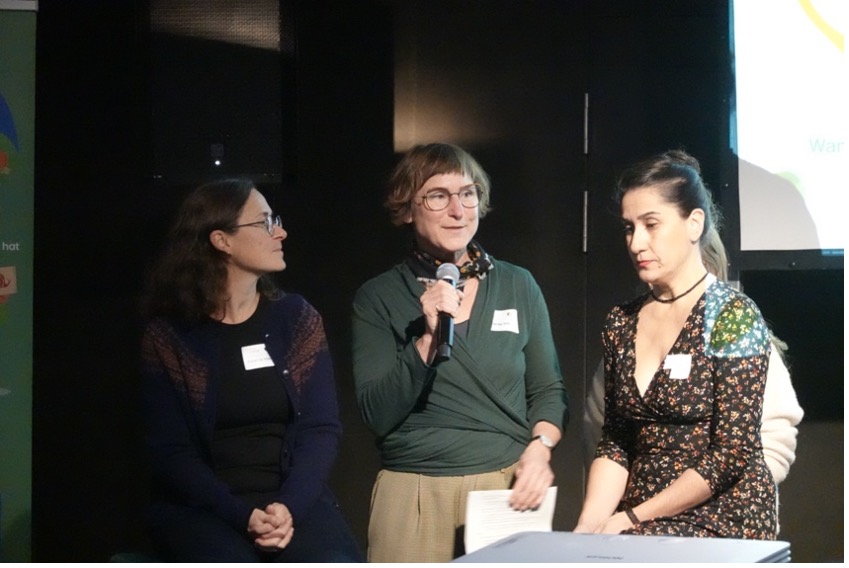
The forum also featured insights from research and international experience—most notably from Sweden and Turkey. Wanda Wieczorek and Eva Wendeberg from the Karlsruhe Transformation Center for Culture and Sustainability (KAT) moderated a discussion with Rebecka Milestad (Sweden) and Aylin Topal (Turkey). This international lens was valuable because it placed the Karlsruhe process in a broader context: bioregional markets are not a guaranteed success story. Political and regulatory conditions shape what is feasible, and the climate crisis remains a constant background pressure—regardless of day-to-day political crises.
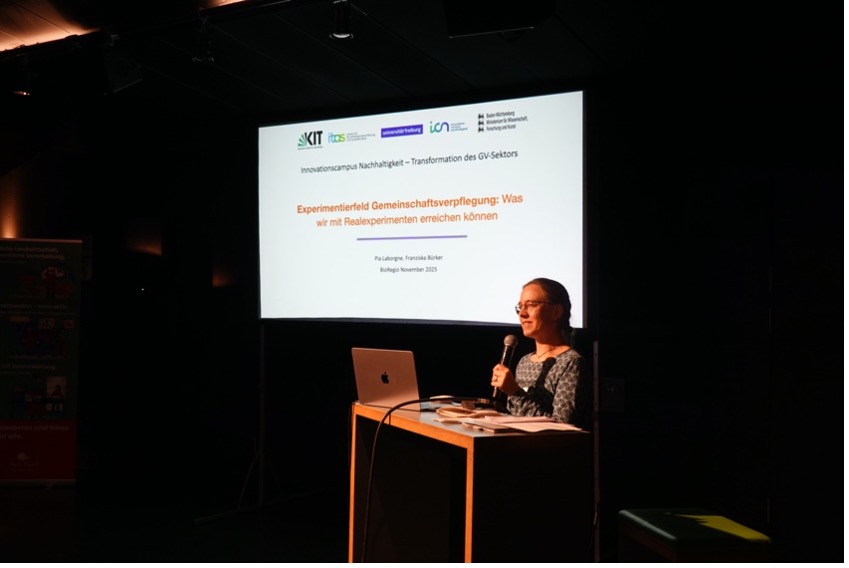
A second research-driven emphasis came through clearly: community catering can be a powerful lever for systemic change. Pia Laborgne (KAT) illustrated how real-world experiments, sustainability assessments, and potential analyses can pinpoint where interventions are particularly effective—for example, in the design and composition of meal plans.
How can food supply chains become more sustainable? Interview voices from Sweden and Turkey
A distinctive highlight of BioRegio Karlsruhe 2025 was the interview on how to make food supply chains more sustainable. Bringing together perspectives from Sweden and Turkey, the conversation surfaced key levers precisely because the contexts differed so strongly: market size, trust, political frameworks, and the role of intermediaries.
Sweden: Cooperation exists—but bioregional remains a niche market
Rebecka Milestad described the Swedish bioregional landscape as challenging. The market is small; producers do cooperate in places, yet they have limited influence over mainstream wholesale structures. The consequences are tangible: certain regional products are missing, or supply is not reliably available. EU regulations can also make it harder to expand regional structures in practice.
At the same time, the discussion indicated a shift in political perception. At the administrative level, awareness is growing that regional supply chains are also about resilience in times of crisis—and that producers need stronger support. One sentence captured the underlying reality that framed the entire exchange: “We have the climate crisis—with and without war.”
Turkey: Very small market, high certification costs—and a deep trust crisis
Aylin Topal painted a picture of an extremely small bioregional market in Turkey: small communities, few buyers, and declining purchasing power—meaning fewer and fewer people can afford bioregional products. A central driver is the high cost of organic certification, which can make organic products three to five times more expensive than conventional alternatives. With a shrinking middle class, the organic consumer base becomes so small that, as she put it, “organic consumers know each other.”
Alongside affordability, trust emerged as a decisive bottleneck. Concerns about chemicals in the food system and related uncertainties have turned food into a major societal issue, undermining confidence in markets—down to the question of whether “organic” is truly organic. Aylin’s pointed formulation made the dilemma concrete: “I am paying for the probability that it is organic.”
Her conclusion followed directly: face-to-face contact is indispensable. Direct encounters at markets—where producers are visible, accessible, and in relationship with consumers—are a precondition for rebuilding trust at all.
Takeaways for Karlsruhe and Co-SFSC: What can be carried forward
Across both contexts, several practical insights translate directly into the Karlsruhe work:
-
Trust is not built on paperwork alone. It grows through visibility, transparency, and direct encounters (markets, fairs, tastings, conversations).
-
Small intermediaries matter. Actors who connect producers and buyers and move products from A to B are system-relevant—without them, “regional” often remains well-intended but logistically too difficult.
-
Political and regulatory conditions are not a side issue. EU rules, certification costs, and public procurement frameworks can determine whether bioregional structures can scale.
-
A realistic view of counterforces is essential. The Swedish concern that large wholesalers might legally challenge forms of cooperation is a reminder that clear rules and robust organizational models are part of sustainability work.
Taken together, the international interview and the research contributions sharpened the forum’s core message: sustainable food supply chains depend as much on governance, trust, and enabling infrastructures as on ecological intentions—and community catering offers a concrete, high-impact entry point to move from insight to implementation.
Food Summit & Circular Economy: Local Food as Part of the Circular Economy
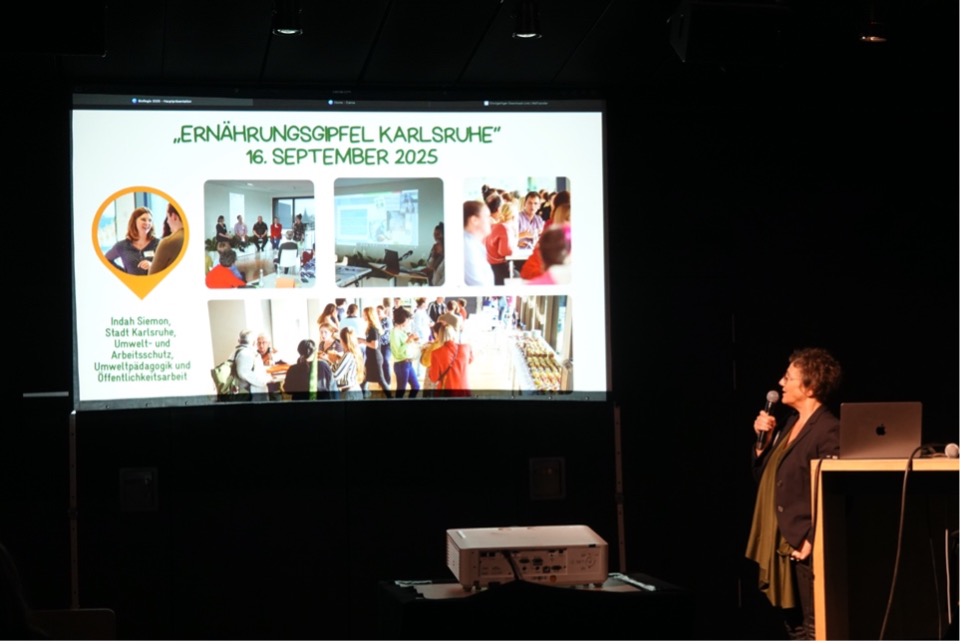
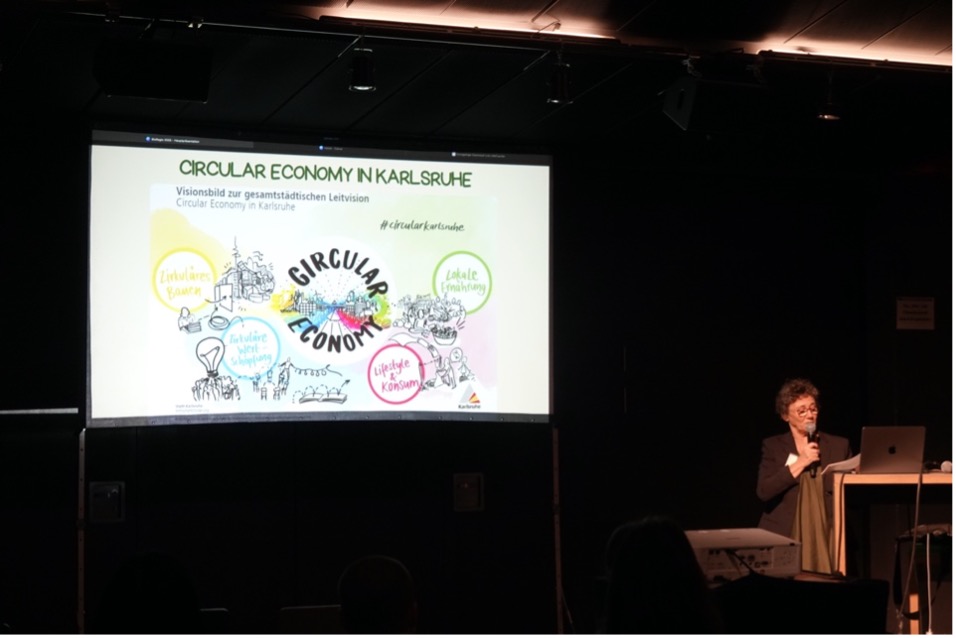
Another strand linked the Karlsruhe Food Summit with approaches to the circular economy. The discussion focused primarily on closing gaps: bundling, recycling food waste, composting – and the need for a systemic approach. The ideal scenario that emerged was: more data, more participation (including food/citizens' councils), the courage to experiment, and appropriate start-up financing.
Ending: The Slow Food-style “long table”
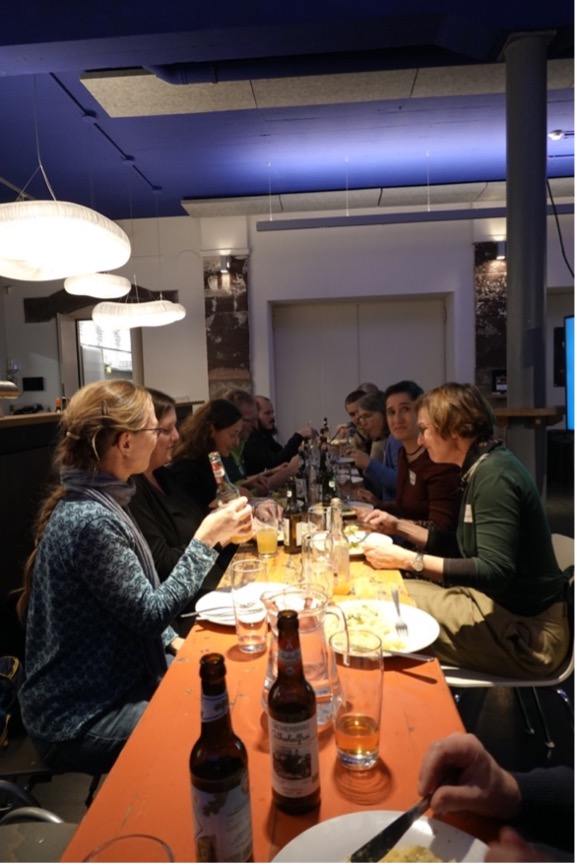
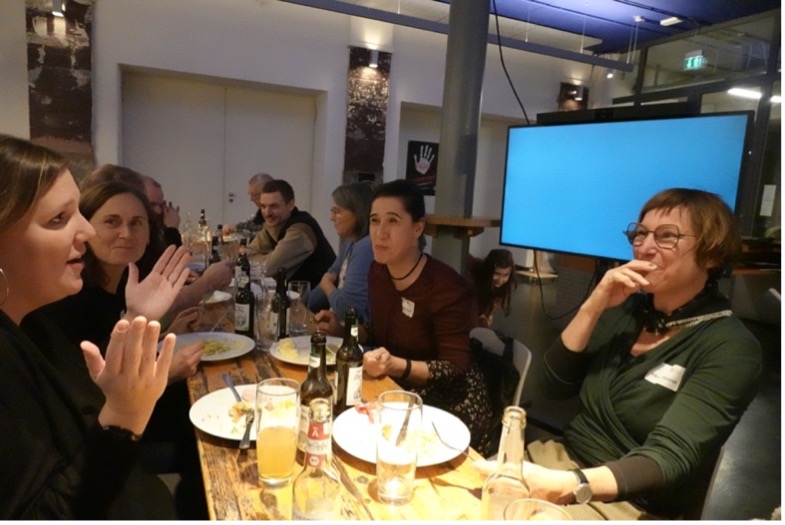
The event ended on a fitting note with a practical and communal activity: the day drew to a close at the “long table” with products from the exhibitors. Slow Food summed it up perfectly: enjoyment and responsibility go hand in hand – with regard to the environment, people, and animals.